
Basement Waterproofing Services
West Michigan’s Waterproofing Experts
Water in a basement is more than a nuisance – it’s a sign of pressure building around your foundation. Over time, that moisture seeps through cracks, weak joints, or porous concrete, causing leaks, wall movement, and structural damage. Damp air and mold soon follow, turning usable space into a problem area.
West Michigan Waterproofing prevents these issues with reliable basement waterproofing solutions that stop water at the source. Our systems combine basement drainage, basement sealing, and long-term moisture control to keep every part of your foundation dry and secure.
When Is Basement Waterproofing Necessary?
Basement waterproofing isn’t only for homes already showing damage – it should be installed before leaks and cracks appear. The best time is during early signs of moisture, like damp spots, humidity, or musty air. That’s when pressure is building behind the walls but hasn’t yet broken through.
Installing a system in advance prevents water from ever reaching the surface. A dry basement isn’t just about stopping leaks – it protects the structure, improves air quality, adds usable living space, and helps preserve your home’s value. Interior basement drainage keeps groundwater under control by collecting and redirecting it before it becomes a problem.
If you already see signs of leaks or dampness, it’s time to act. Proper basement waterproofing stops further damage and restores a clean, dry space fast.
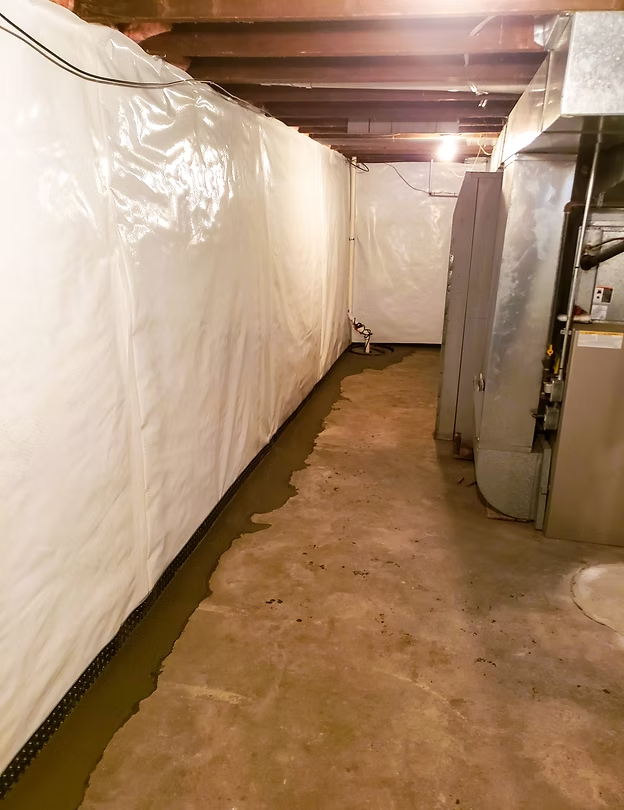
The Installation Process
(Click each step to learn more)
Step One
Preparation and Trenching
We start by removing about 8–10 inches of concrete along the interior perimeter of the basement floor. Using an electric jackhammer with a HEPA dust collection system, we keep dust to a minimum. The exposed area is then trenched to prepare for the drainage installation.
Step Two
Installing the Interior French Drain
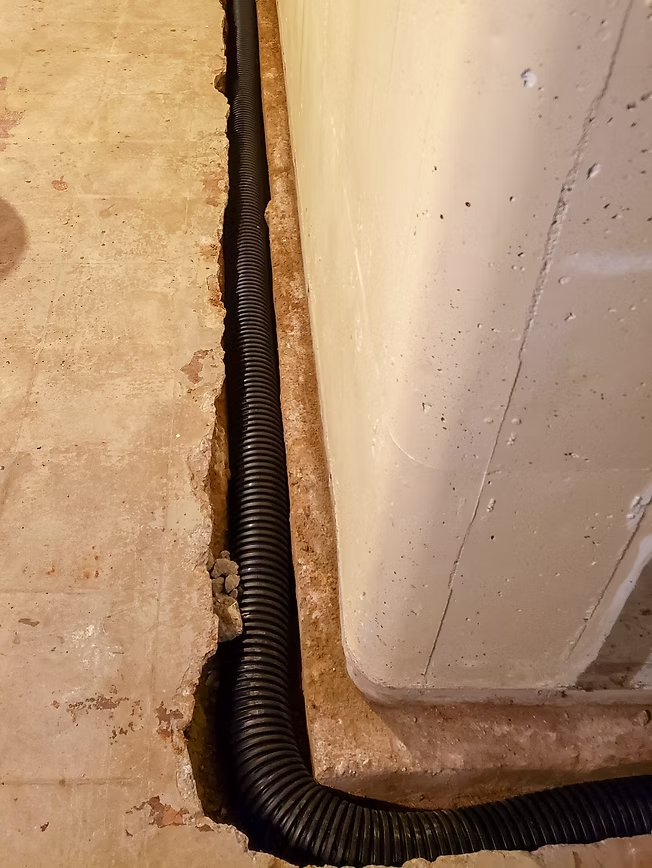
Inside the trench, we lay a 4-inch perforated drain pipe(also known as a French drain). The pipe is surrounded by gravel, which helps direct groundwater toward the sump pump basin for removal. This system continuously relieves hydrostatic pressure around the foundation.
Step Three
Wall Drainage and Weep Holes
For homes with block walls, we drill small weep holes in basement block cores to release trapped water. Drainage matting is installed along the wall to cover these holes and guide moisture directly into the trench. This matting also protects against future leaks or cracking.
Step Four
Finishing and Sealing
After the system is tested for proper flow, the trench is filled with gravel and sealed with new concrete. The result is a clean, permanent basement waterproofing solution that manages groundwater effectively and keeps your foundation dry year-round.
Step One
Step Two
Step Three
Step Four
Step 1: Preparation and Trenching
We start by removing about 8–10 inches of concrete along the interior perimeter of the basement floor. Using an electric jackhammer with a HEPA dust collection system, we keep dust to a minimum. The exposed area is then trenched to prepare for the drainage installation.
Step 2: Installing the Interior French Drain
Inside the trench, we lay a 4-inch perforated drain pipe(also known as a French drain). The pipe is surrounded by gravel, which helps direct groundwater toward the sump pump basin for removal. This system continuously relieves hydrostatic pressure around the foundation.
Step 3: Wall Drainage and Weep Holes
For homes with block walls, we drill small weep holes in basement block cores to release trapped water. Drainage matting is installed along the wall to cover these holes and guide moisture directly into the trench. This matting also protects against future leaks or cracking.
Step 4: Finishing and Sealing
After the system is tested for proper flow, the trench is filled with gravel and sealed with new concrete. The result is a clean, permanent basement waterproofing solution that manages groundwater effectively and keeps your foundation dry year-round.
Let’s get started!
Benefits of Hiring a Local Basement Waterproofing Expert
Local conditions matter when designing waterproofing systems. Michigan’s deep frost lines and fluctuating water tables require tailored solutions, not generic fixes. That’s why West Michigan Waterproofing remains focused on the communities we know best.
We serve Grand Rapids, South Haven, Lansing, Kentwood, Kalamazoo, and surrounding areas – providing customized basement waterproofing of Michigan foundations with proven local expertise. From crawl spaces(link to Crawl Spaces page) to full basements, we understand how to build systems that last in Michigan’s climate.
Pricing, Financing, and Lifetime Warranty
Cost depends on the size of the basement and the level of water damage. During your free estimate, we assess every factor – from drainage layout to material needs – so you have a clear, upfront quote with no hidden charges. Flexible financing options are available to fit most budgets.
All interior basement waterproofing systems include a lifetime, fully transferable warranty. The warranty is written directly to your property, not the homeowner, so protection remains active even when you sell. Unlike other providers, we never charge annual fees or transfer costs. We simply keep your record on file and stand behind our work for the life of your home.
Frequently Asked Questions
Can your basement drainage system be added if I already have waterproofing or existing utilities in place?
Yes. Our drainage system can work alongside existing basement waterproofing solutions without interfering with plumbing or utilities. Before installation, we inspect the space to plan around current systems and ensure everything integrates smoothly.
Can installing a basement drainage system affect my home’s foundation?
No, it won’t when installed correctly. The process is non-invasive and designed to protect your foundation, not weaken it. Our team installs the system along the interior perimeter, keeping your home’s structure stable and secure.
Is it safe to install a basement waterproofing system in an older home?
Yes, it’s safe when done professionally. Older homes may need extra assessment to check the foundation’s condition and structure, but our team takes special care to ensure the system integrates smoothly without causing any damage.
How long does a basement waterproofing system last, and does it require maintenance?
When properly installed and maintained, a basement waterproofing system can last for decades. Its longevity depends on water volume, installation quality, and routine care. Basement repair specialists recommend regular inspections, cleaning the sump pump, and keeping discharge lines clear. Homeowners are usually responsible for basic maintenance or minor service costs, while any warranty-covered repairs are handled by the installer.
Will I need to relocate during the basement waterproofing installation?
No relocation is usually required. The process causes minimal disruption, with most work limited to the basement and no major demolition or excavation needed.
How does the system prevent basement flooding during heavy rain or severe weather?
Our interior drainage system is built to handle large volumes of water, keeping it away from your foundation and preventing basement flooding even during intense storms or prolonged rainfall.
In Grand Rapids, Kalamazoo, and all across West Michigan, heavy rain and seasonal snowmelt often create excess groundwater pressure, making reliable waterproofing essential.
Are your basement waterproofing systems made with sustainable or recyclable materials?
Yes – our waterproofing systems are built with sustainability in mind. Many components are made from recyclable materials, and we prioritize products and installation methods that minimize environmental impact.
What does the lifetime warranty cover, and are there any exclusions?
The lifetime warranty typically covers key components such as the sump pump, drain pipes, and waterproof linings. Exclusions may apply for damage caused by external forces or improper maintenance, so it’s important to follow care guidelines.
Can a basement waterproofing increase my home’s resale value?
Yes, it often does. In West Michigan, where heavy rain and high groundwater can lead to basement leaks, professional basement waterproofing adds real peace of mind for buyers. It shows that your home is protected from moisture issues and well cared for, making it more appealing on the market.
Can a basement waterproofing affect my homeowner’s insurance?
Yes, in a good way. Installing a drainage system can reduce the risk of water damage, and some insurers in Michigan may even offer discounts or benefits for homes with waterproofing systems. It’s best to confirm details with your provider.